
 Shipping information
 Worldwide
 Need Financing?








Welcome to Hobby Car Corvettes, located in Martinsburg, Pennsylvania. What started out as a passion and a hobby for Bob Sottile growing up in the 60’s and 70’s, turned into a full time father-son business in 1986. Having been in the business of buying, restoring, and reselling beloved Corvettes since 1986, we know more than well how complex and overwhelming the used car buying process can be. When you set out to purchase your used Corvette, you will be faced with a myriad of choices and challenges. We are here to make the experience of buying your Corvette, as stress free as possible.
Here are 10 key things to consider before buying your next used Corvette!
#1: Budgeting – Know What You Can Spend
Before diving into your Corvette search, get clear on your budget. It’s not just about the car’s price tag. Factor in restoration costs, upgrades, taxes, fees, and potential shipping. A $35,000 Corvette might look great at first, but you’ll need room for those unexpected costs that pop up after purchase.
At Hobby Car Corvettes, we’ll work with you to find the perfect Vette that fits your budget and needs without the financial surprises!
We focus on what we do best: helping you find the perfect Corvette. While financing isn’t our specialty, we’ve included some trusted partners below who can assist you with that part of the process.

#2: Restore or Road-Ready?
Do you want a car that’s ready to hit the road, or are you up for a restoration project? Restoration costs can add up quickly, so it’s important to budget for that upfront. If you’re not sure how much time or effort you want to invest, we’re here to guide you through the options. Whether you’re looking for a ready-to-go ride or a project car to put your personal touch on, we’ve got something for everyone!
At Hobby Car Corvettes, we have a sales floor stocked with both road ready Vettes and gently loved cars ready for a little at home TLC. So whether you want to get your hands dirty or just hit the road in style, we have what you are looking for.
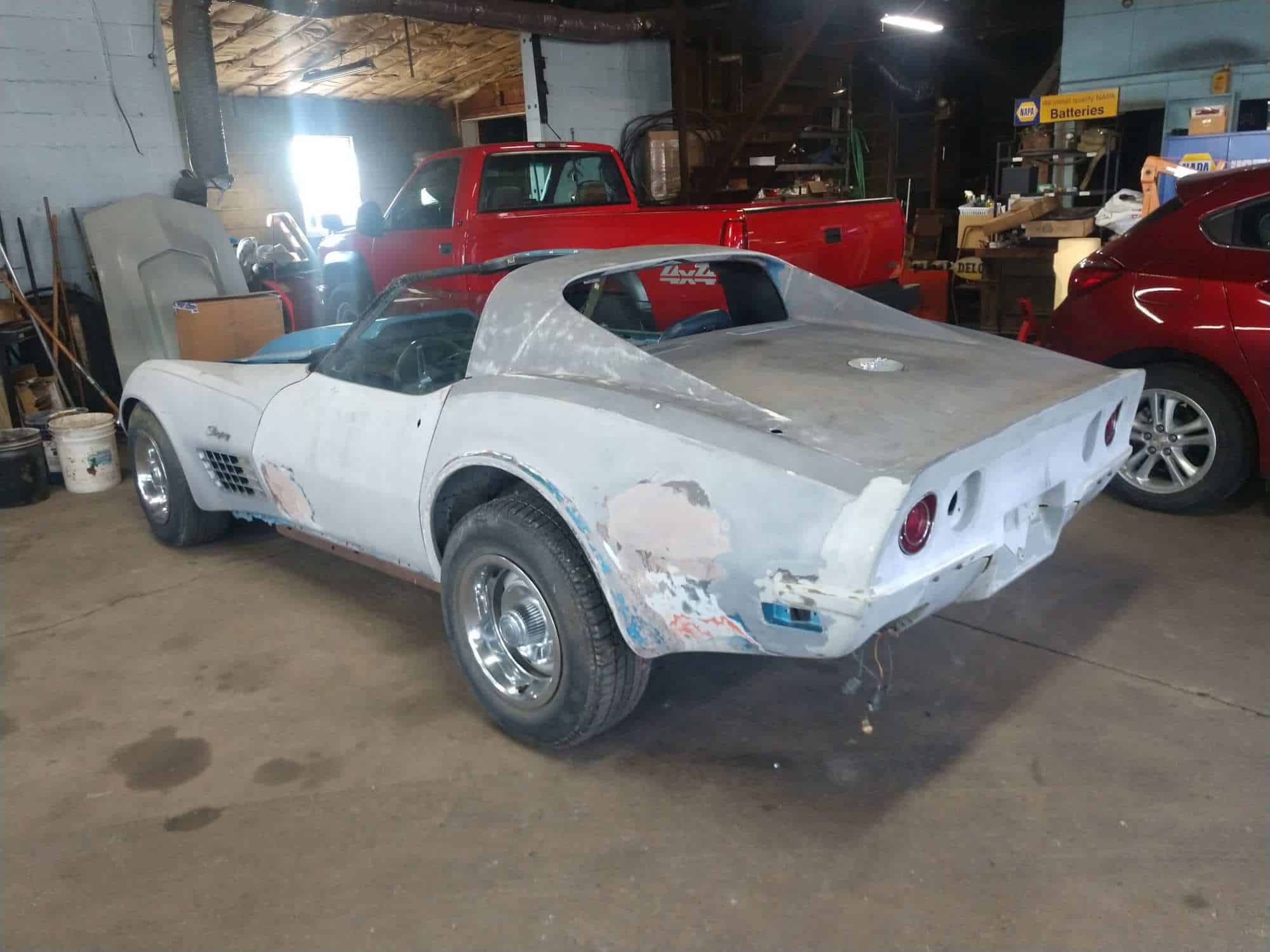
RESTORE OR ROAD READY? Era 1970
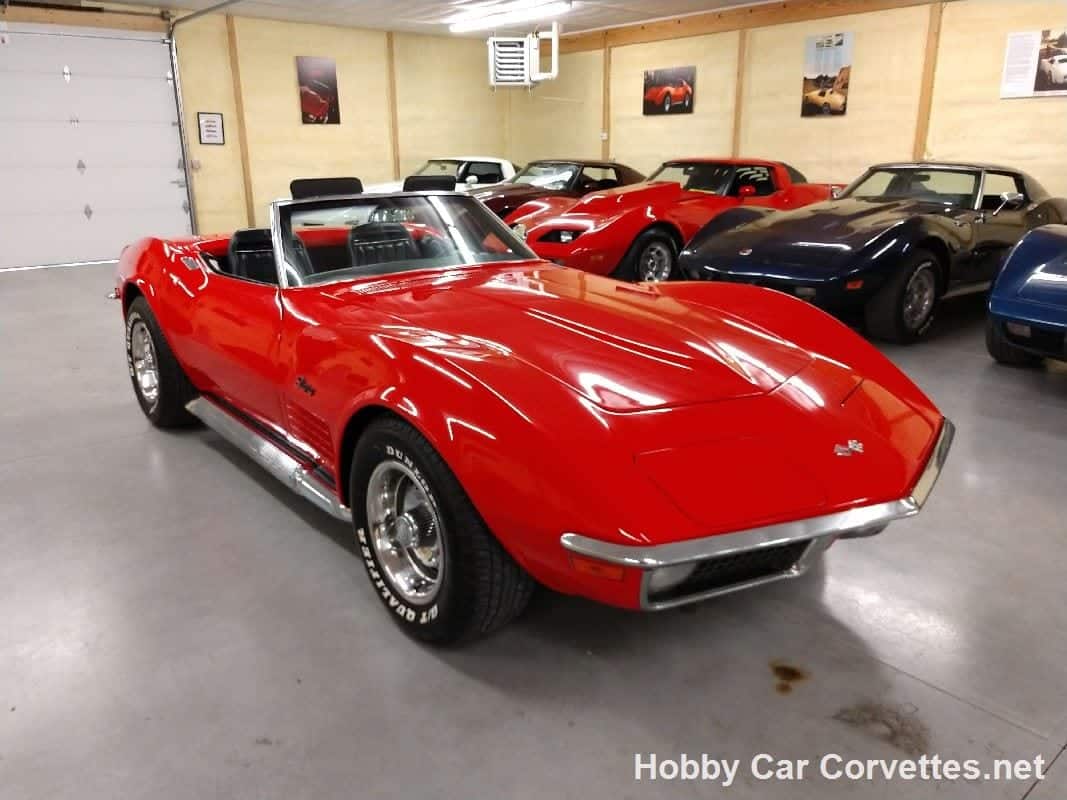
RESTORE OR ROAD READY? Era 1971
#3: Choosing the Right Era
Each generation of Corvettes brings something special, but C3s are our personal favorite! Your budget will largely influence this decision, as early models like 1968-1972 C3s can be more expensive due to their high horsepower and unique chrome bumpers. C3s from 1973-1982 offer a more affordable option but still deliver plenty of value and ease of restoration.
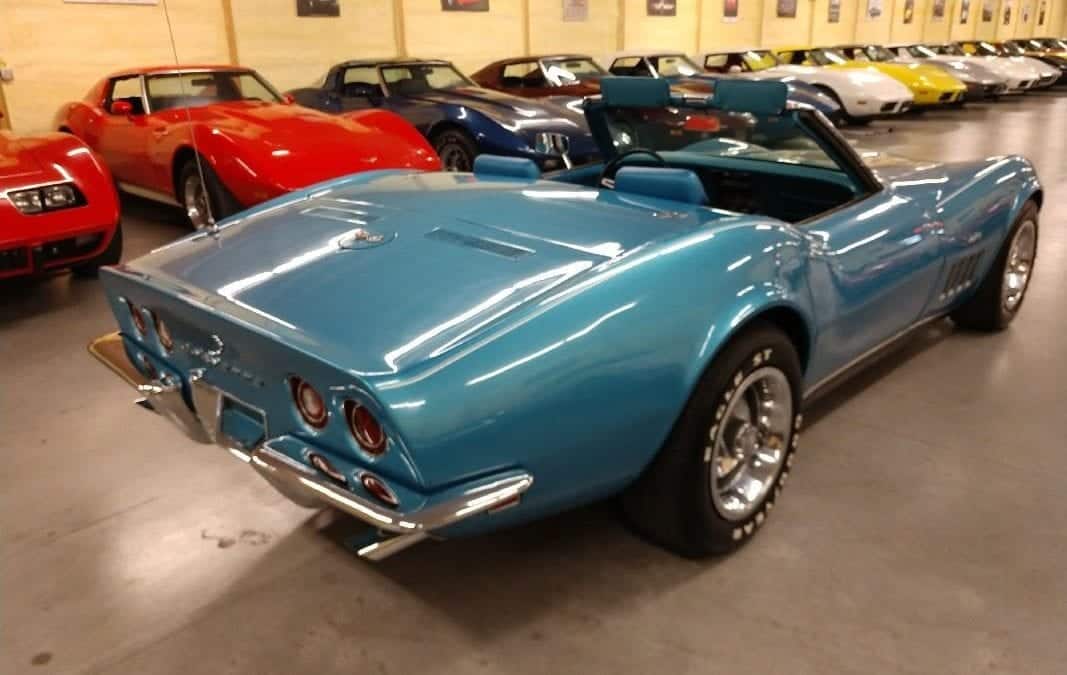
Choosing an Era – 1969 Corvette
Your predetermined budget will aid greatly in making this choice. Different generations will yield varying benefits, possible downfalls, and most certainly, price tags. For example, When looking at C3 Corvettes, model years made from 1968-1972 will be more expensive. This is due to being the last production run for chrome bumpers and the end of the high-horsepower era. To learn more about the end of the chrome bumper, check out this post! The benefits of purchasing from these years is of course owning a beautiful and highly regarded piece of Corvette history, but you need to be sure you have it in your budget. C3 Corvettes made from 1973-1982 will yield a lower price tag and still provide great value for those who are looking for a dependable and more affordable option.

Choosing an Era – 1982 Corvette
One reason we love C3 Vettes, is they are generally easy to restore. In most cases, parts are easy to find in local parts stores and online. Additionally, the step by step labor involved is fairly straightforward and a great place to start for a first time restoration project. If you are not wanting to do the work yourself, experienced enthusiasts in the Corvette community are easy to find and many have done work on C3 Corvettes, due to their popularity. You are sure to find someone who can help you successfully complete a C3 minor or major restoration project.
Best Years & Generations to Buy (Value vs Performance)
C3 (1968-1982)
- Best-value years: 1973-1977
- Expect to spend: $18k–$22k
- Biggest draws: last chrome-bumper looks (’73) and parts are easy to source
C4 (1984-1996)
- Best-value years: 1992-1996
- Expect to spend: $9k–$14k
- Biggest draws: LT1 engine, improved interiors, still bargain-basement pricing
C5 (1997-2004)
- Best-value years: 2001-2004 Z06
- Expect to spend: $27k–$34k
- Biggest draws: LS6 power and rising collector interest
C6 (2005-2013)
- Best-value years: 2008-2013 Grand Sport/Z06
- Expect to spend: $34k–$52k
- Biggest draws: Magnetic Ride suspension plus modern amenities
C7 (2014-2019)
- Best-value years: 2016-2018 Coupe
- Expect to spend: $48k–$60k
- Biggest draws: 8-speed automatic, Apple CarPlay, 455-hp LT1 engine
#4: Looking for a Unique Ride?
Special Edition Corvettes If you’re after something truly unique, keep an eye out for limited edition models. Special option packages like the 1978 Silver Anniversary or the Indy Pace Car Corvette are rare collector’s items that could be the highlight of your collection. These rare editions might cost more, but they’re sure to turn heads.

Silver Anniversary Corvette
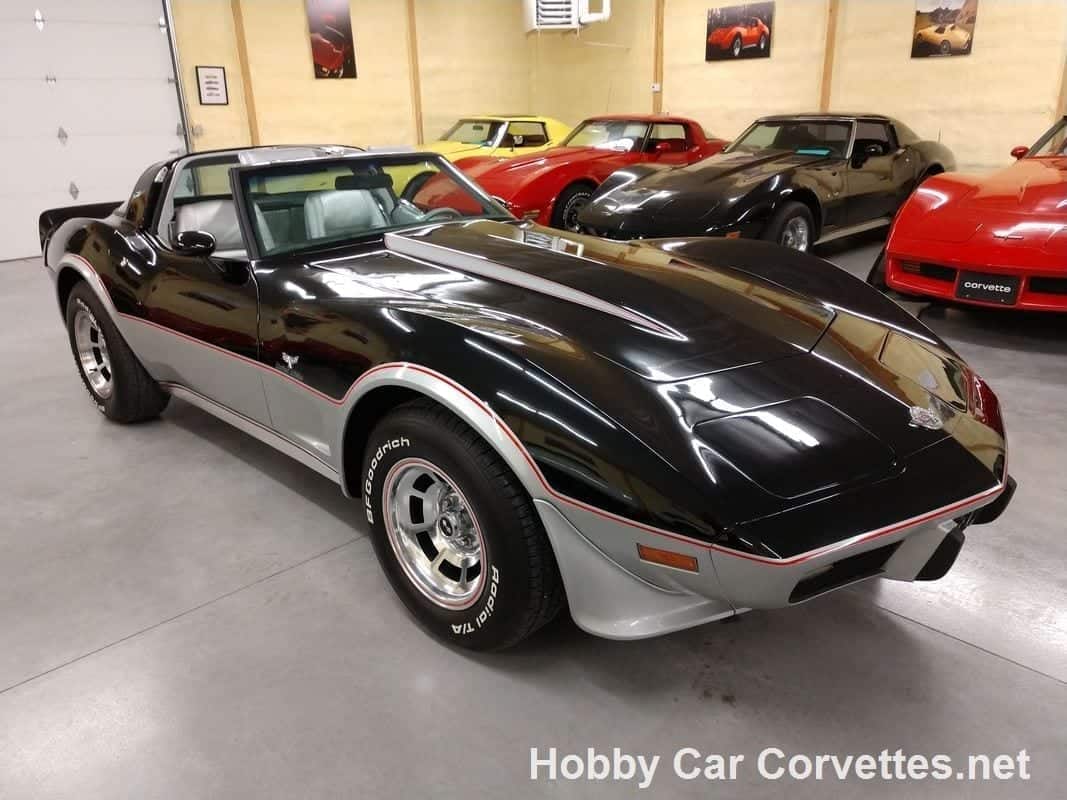
Corvette Indy Pace Car
In 1981, GM opened a new plant in Bowling Green, KY and commemorated this event by releasing Corvettes in 4 different two-tone color combinations: Autumn Red/Dark Claret, Beige/Dark Bronze, Silver/Charcoal, and Silver/Dark Blue. GM strategically chose a special release focusing on paint jobs to showcase the new plant’s greatly improved and advanced paint shop. These special releases are often referred to as Bowling Green Special Edition cars, even though they were technically special paint options, not “special editions”. Nonetheless, this is still a very cool car to look for if the color of your Corvette is a high priority for you.
1982 saw the final special option for the C3 Corvettes, the 1982 Collector Edition Corvette. This release was designed to commemorate the inevitable end of the third generation of Corvettes.
#5: Convertible or T-TOP?
A convertible is the ultimate dream for many Corvette owners, but t-top models give you the best of both worlds. They’re sporty, stylish, and with the option of open-air driving without the full convertible commitment. If you’re after a convertible, remember it was discontinued from 1975 to 1986. So, be sure to check the year before making your choice.
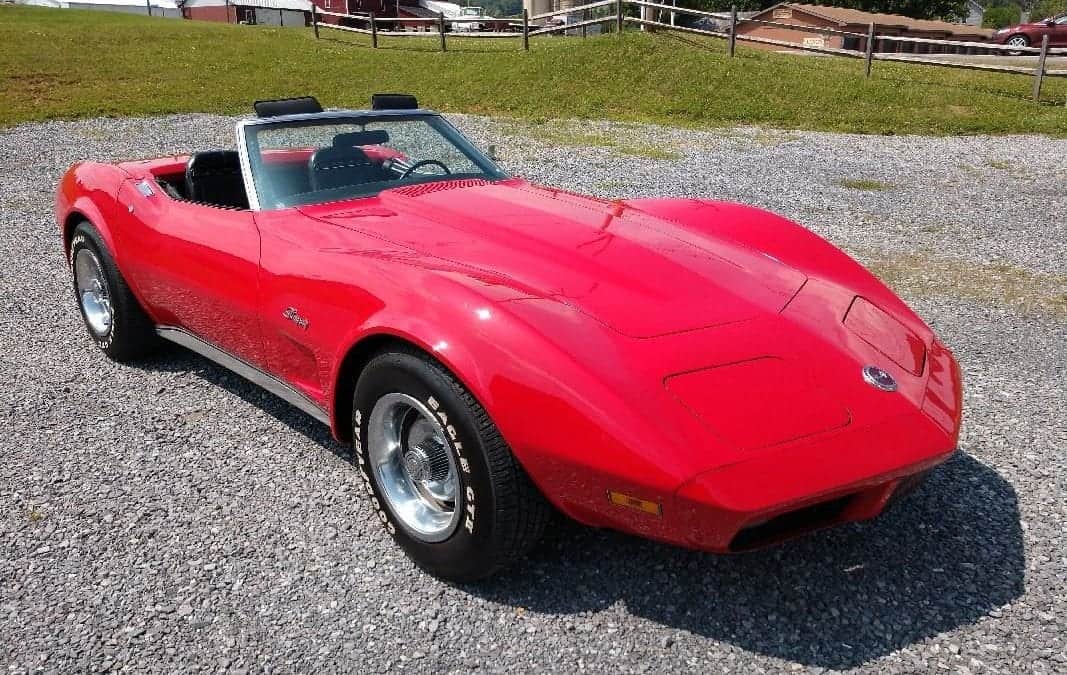
1974 Red Corvette Convertible
Should you decide you want to be the proud owner of a Corvette convertible, you will need to keep in mind that this option was discontinued in 1975 and reintroduced in 1986. If you are in the market for a Corvette convertible, be sure to search for the correct years to save you time.

1974 Red Corvette T-Top
While owning a convertible is a dream for many, the t-top Corvette is also a very popular option. They provide the convenience of a coupe, with the freedom of cruising without the t-top, which is the next best thing to owning a convertible. Additionally, Corvette t-tops are going to come in at a lower price.
#6: Speed Manual vs. Automatic Transmission
This comes down to personal preference. If you love the hands-on driving experience, a 4-speed manual will give you full control and a closer connection with the car. For those looking for convenience and smooth driving, an automatic transmission is a perfect choice. Keep in mind, manual Corvettes are a bit rarer, so they might come with a higher price tag.
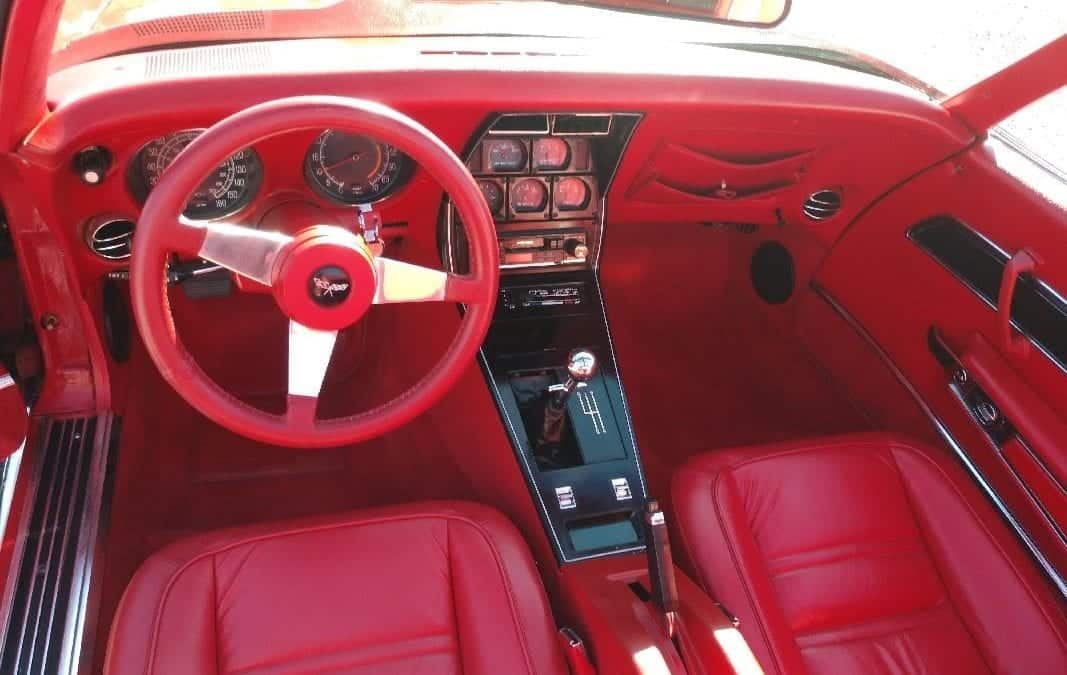
Corvette Manual Transmission
When making this choice, do keep in mind that General Motors did produce more Vettes with automatic transmissions, so if it’s a manual transmission corvette you desire, you will need to budget more to make it happen.
#7: Clear Titles Matter
When buying any used car, especially a classic like a Corvette, always ensure the car has a clear title. Titles marked “Salvage,” “Reconstructed,” or “Flood” can be red flags and might cause long-term headaches. We ensure that every car at Hobby Car Corvettes has a clean and clear title.
#8: Originality vs. Customization
How important is originality to you? Some buyers love their Vettes with all the original parts intact, while others don’t mind doing upgrades or modifications. Knowing your preference early on will help you narrow down your search. If you want a “numbers-matching” car, be ready to pay a premium for those rare, untouched gems.
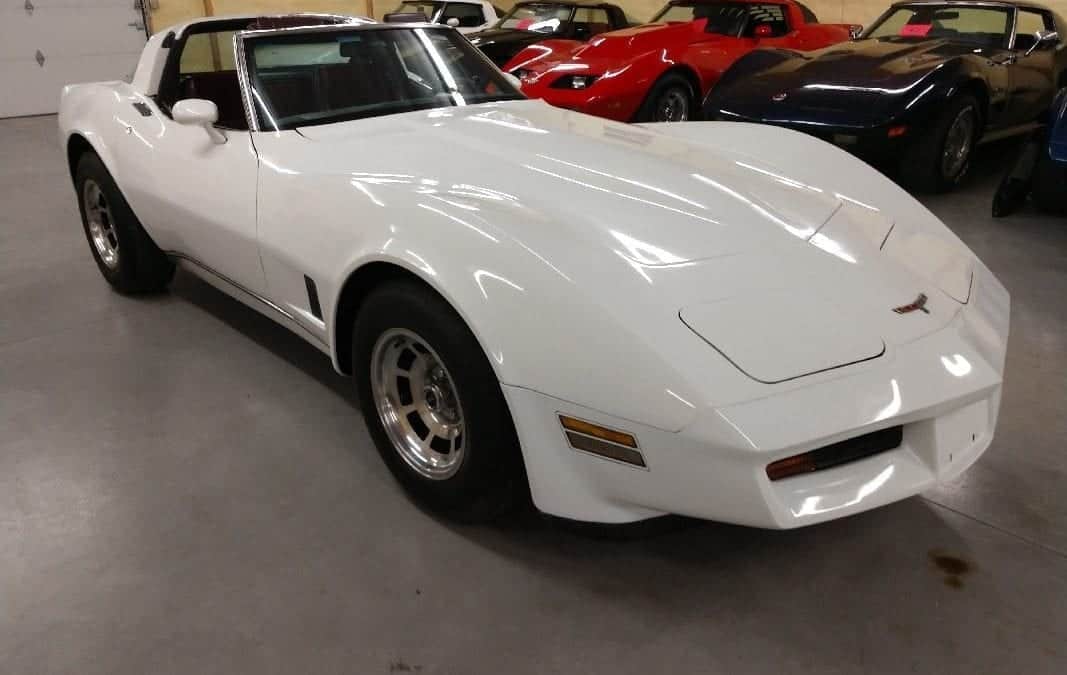
Originality – 1980 Stock Corvette
If you already plan to do a lot of upgrading, then most likely “originality’ won’t fall high on the list of priorities. This will widen your options greatly.

Originality – 1980 Widebody Corvette
The term you will see most often describing originality is “numbers matching.” This term can be stretched to mean that the date codes on every part of the car are correct for the parts that would have been original to the car. However, in most cases, including on our website, numbers matching simply means that the numbers on the car’s engine block match up to the car’s VIN (the last six digits of each should be the same) to show that the engine in the car is the engine it rolled off the assembly line with.
One thing to keep in mind, matching numbers can increase a car’s value. On the flip side, a drastically upgraded engine could increase the value even more, especially if the car only started with a base level engine to begin with.
Used Corvette Inspection Checklist
Buying a used Corvette is an exciting experience, but it’s important to make sure you’re getting a quality vehicle. Use this checklist to avoid some common pitfalls.
- Birdcage & Frame Rust – Tap along windshield surround and door-hinge pillars. Surface rust is okay. Flaking means walk away.
- VIN & Engine Block Numbers – Make sure the last six digits on the block pad match the VIN. It protects resale value.
- Vacuum Headlight System – With the engine idling, open and close the headlights twice. Sluggish movement points to possible issues.
- Fiberglass Stress Cracks – Inspect wheel arches and bumper seams under bright light for hairline cracks.
- Wiper Door Operation (C3) – Flip the wipers on and off. Delayed or stuck doors add labor hours.
- Electrical Gremlins – Test all gauges, power windows, and courtesy lights. Replacements can be hard to source.
- Brake Lines & Calipers – Stainless-sleeved calipers are a plus. Wet lines signal imminent failure.
- Suspension Bushings – Use a pry bar to check control-arm play. Poly-bushing upgrades save headaches.
- Fluid Leaks – Inspect the undercarriage after a test drive. Rear-main drips are common.
- Service Records & Titles – Ask for the build sheet, restoration invoices, and a clear title for your state.
Where to Find the Right Corvette
- Specialist Dealers (like Hobby Car Corvettes) – fully vetted inventory, clear titles, remote inspections & enclosed shipping.
- Private-Party Listings – potential bargains but require thorough vetting. Bring the Corvette inspection checklist above.
- Online Auctions (Bring-a-Trailer, Hemmings) – Auctions can be a good source of deals but prices are rising. Watch buyer fees and transport costs.
- Local Corvette-Club Forums – word-of-mouth gems. Be sure to ask for photos, VIN and frame-on-lift shots if possible.
Ready to browse road-ready or project C3s? View our used Corvette inventory by year or by style.
#9: Have Realistic Expectations – These Are 40+ Year-Old Classics
When shopping for a Corvette that’s 40 to 50 years old, it’s important to keep expectations aligned with the age and price point of the vehicle. While we strive to offer well-maintained, high-quality classics, these are not concours-level or Barrett-Jackson showpieces. Many of these vehicles will have minor cosmetic flaws, signs of age, or components that reflect their vintage nature. That’s part of the experience and appeal of owning a classic car. These Corvettes offer timeless style, performance, and character, but they are not brand-new vehicles.
At Hobby Car Corvettes, we’re transparent about each car’s condition and history. Our goal is to match you with a Corvette that fits your budget, goals, and expectations whether you’re looking for a reliable driver, a solid foundation for restoration, or a weekend cruiser with vintage charm.
#10: Buying From Hobby Car Corvettes
At Hobby Car Corvettes, we’re committed to providing you with a top-notch, transparent, and personalized buying experience. With over 30 years of experience, we make sure you get the best possible Corvette that fits your needs, taste, and budget.
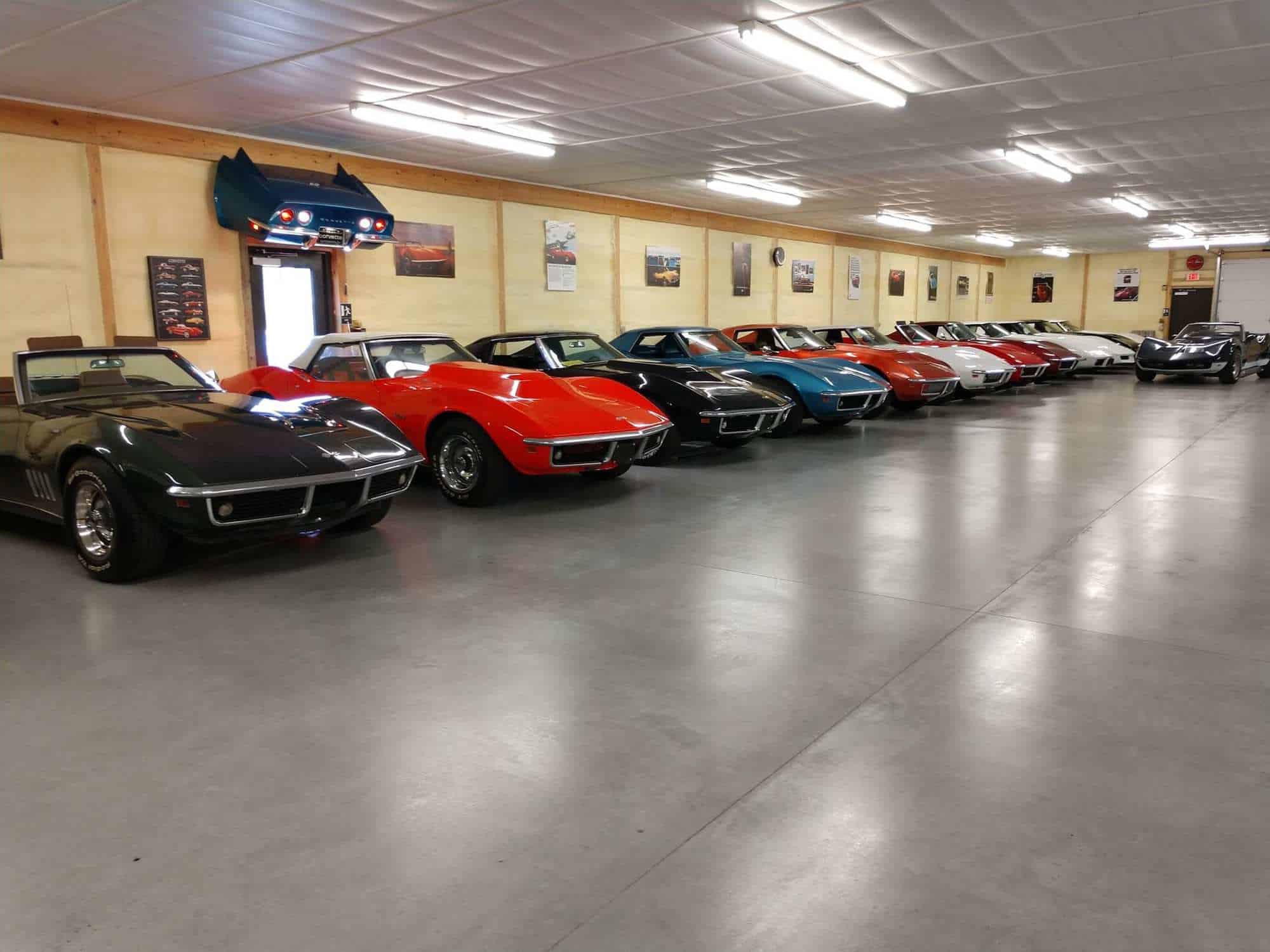
Buying from Hobby Car Corvettes
Whether you’re a Pennsylvania native or shopping online from across the country or even around the world, we are ready and excited to be your first and last stop on your Corvette buying journey. Start exploring our inventory and reach out to set up a phone call or appointment to visit our showroom and start your Corvette hunt today!
Frequently Asked Questions (FAQs)
What is the best year to buy a used Corvette on a budget?
It really depends on your personal tastes, but, C3 Vettes from 1973-1982 offer some of the best value.
C4 (1984-1996)
- Best-value years: 1992-1996
- Expect to spend: $9k–$14k
Are C3 Corvettes good first-time restorations?
Yes. Fiberglass panels, simple small-block drivetrains and abundant parts make C3s beginner-friendly.
How much should I set aside for annual maintenance?
Plan on $800–$1,600 per year depending on generation and mileage.
Should I avoid salvage or flood titles?
Not always, but Vettes with clear titles tend to protect resale value and are often easier to insure.